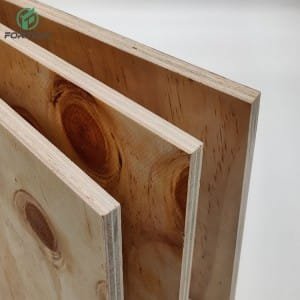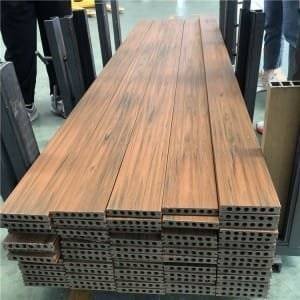
China remains the world’s largest exporter of plywood, supplying furniture manufacturers, construction companies, wholesalers, distributors, and project contractors across North America, Europe, Australia, the Middle East, and Southeast Asia.
However, while there are thousands of plywood factories and trading companies in China, not all suppliers offer the same level of quality, consistency, or service.
For importers and project buyers, choosing the wrong Plywood Supplier can result in:
- Delayed shipments
- Product quality issues
- Failed compliance tests
- Customer complaints
- Increased project costs
- Lost business opportunities
The question isn’t simply where to buy plywood.
The real question is:
How do you identify a trustworthy China Plywood Supplier that can support your business long-term?
This guide shares the exact criteria experienced buyers use when selecting a plywood supplier in China.
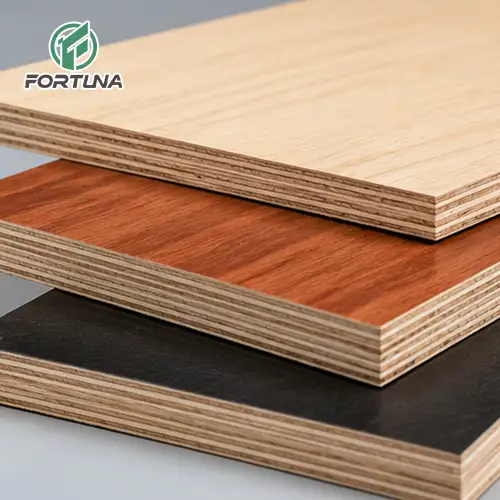
Why China Continues to Dominate the Global Plywood Market
China’s plywood industry has developed into a mature manufacturing ecosystem with advantages including:
- Large-scale production capacity
- Competitive labor costs
- Advanced production technology
- Diverse raw material sourcing
- Extensive export experience
- Custom manufacturing capabilities
Today, buyers can source:
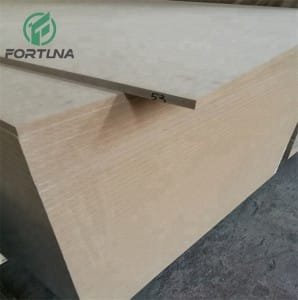
- Commercial plywood
- Furniture plywood
- Birch plywood
- Marine plywood
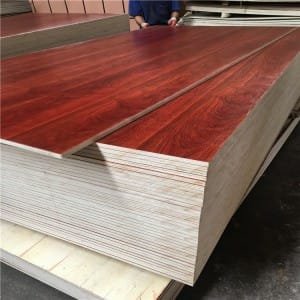
- Hardwood plywood
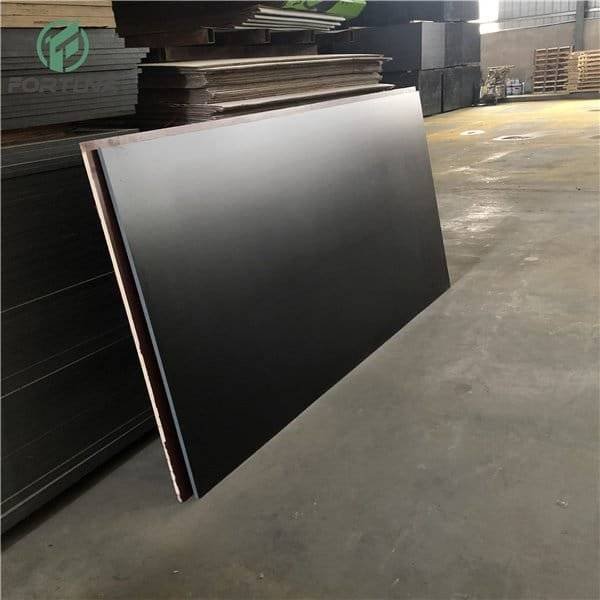
- Film-faced plywood
- Melamine plywood
- Structural plywood
from a single professional China Plywood Supplier.
1. Verify Whether the Supplier Is a Manufacturer or Trading Company
One of the first questions buyers should ask is:
“Are you a factory or a trading company?”
Both models have advantages.
Manufacturer Advantages
- Better price control
- Direct quality management
- Faster production scheduling
- Greater customization capability
Trading Company Advantages
- Broader product selection
- Multiple factory resources
- Flexible sourcing solutions
For large-volume buyers and project contractors, working directly with an established plywood manufacturer often provides better long-term value.
What to Request
- Factory photos
- Production videos
- Business license
- Factory audit reports
- Manufacturing certifications
2. Evaluate Production Capacity
Many suppliers claim large capacity but outsource orders during peak seasons.
Ask questions such as:
- How many production lines do you have?
- What is your monthly production volume?
- How many containers do you export each month?
- What is your lead time during peak season?
A reliable Plywood Supplier should be transparent about production capabilities.
Warning Sign
If a supplier cannot provide consistent production information, further verification is necessary.
3. Check Product Certifications
Compliance requirements have become stricter in Europe, North America, and Australia.
Before placing an order, verify whether the supplier can provide:
Environmental Certifications
- FSC Certification
- PEFC Certification
Formaldehyde Standards
- CARB P2
- EPA TSCA Title VI
- E0 Standard
- E1 Standard
Quality Inspection Reports
- SGS
- Intertek
- BV (Bureau Veritas)
Certified products reduce customs clearance risks and improve customer confidence.
4. Inspect Plywood Core Quality
The appearance of plywood can be deceiving.
A beautiful face veneer does not guarantee internal quality.
Experienced importers pay close attention to:
Core Gaps
Excessive voids can reduce structural integrity.
Veneer Bonding
Poor bonding can lead to delamination.
Moisture Content
Improper moisture levels may cause:
- Warping
- Cracking
- Swelling
Request:
- Cross-section photos
- Laboratory test reports
- Sample inspections
before finalizing any order.
5. Assess Export Experience
A supplier may produce excellent plywood but still struggle with international business.
Export experience matters because it affects:
- Documentation accuracy
- Packaging standards
- Shipping arrangements
- Compliance knowledge
Ask:
Key Questions
- Which countries do you export to?
- How long have you been exporting?
- Can you provide customer references?
- What percentage of your sales are exports?
An experienced China Plywood Supplier understands the specific requirements of different markets.
6. Evaluate Quality Control Procedures
Quality consistency is often more important than price.
Professional suppliers usually operate a multi-stage inspection system.
Raw Material Inspection
Checking veneer quality before production.
In-Process Inspection
Monitoring glue application and pressing quality.
Final Inspection
Verifying dimensions, moisture content, bonding strength, and packaging.
Ask for:
- QC procedures
- Inspection reports
- Factory quality manuals
7. Compare Pricing Carefully
The cheapest plywood is rarely the most cost-effective option.
Low prices may indicate:
- Inferior veneers
- Reduced glue quality
- Core voids
- Inconsistent thickness
Instead of focusing only on price, compare:
| Factor | Importance |
|---|---|
| Product Quality | High |
| Compliance | High |
| Lead Time | High |
| Supplier Stability | High |
| Price | Medium |
| After-Sales Service | High |
Professional buyers calculate total landed cost rather than product cost alone.
8. Review Packaging and Shipping Standards
Damage during transportation can destroy profit margins.
A reliable Plywood Supplier should provide export-grade packaging.
Recommended Packaging Features
- Protective corner guards
- Waterproof wrapping
- Steel or plastic strapping
- Strong pallets
- Container reinforcement
Good packaging reduces claims and improves customer satisfaction.
9. Evaluate Communication and Responsiveness
One of the strongest indicators of supplier reliability is communication quality.
Reliable suppliers typically:
- Respond quickly
- Provide accurate technical information
- Offer transparent pricing
- Share production updates
- Resolve issues proactively
If communication becomes difficult before payment, it often becomes worse afterward.
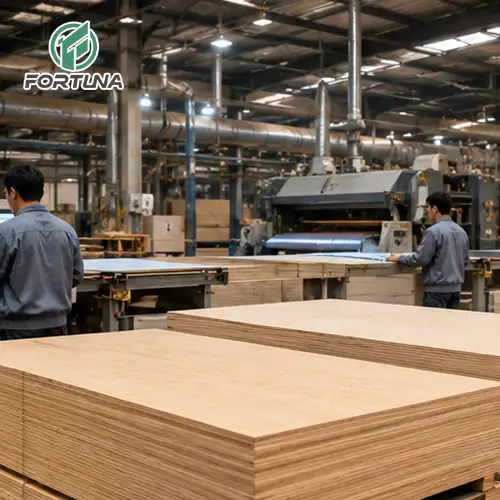
Most Searched Questions Buyers Ask Before Choosing a China Plywood Supplier
Recent commercial search trends indicate buyers frequently ask:
How do I verify a plywood factory in China?
Request business licenses, certifications, factory audits, and video inspections.
What certifications should plywood suppliers have?
FSC, CARB P2, EPA TSCA, E0, E1, and SGS testing reports.
Is Chinese plywood good quality?
Yes, when sourced from established manufacturers with strict quality control systems.
How can I avoid supplier scams?
Conduct factory verification, request samples, and use third-party inspections.
What is the MOQ for plywood orders?
Most suppliers offer flexible MOQs depending on specifications.
Current High-Intent Google Search Keywords
Based on ongoing commercial buyer demand, these keywords continue generating strong search volume and conversion potential:
Primary Keywords
- Plywood Supplier
- China Plywood Supplier
- Plywood Manufacturer China
Secondary Keywords
- Commercial plywood supplier
- Marine plywood supplier
- Furniture plywood manufacturer
- Wholesale plywood supplier
- Structural plywood supplier
- Birch plywood exporter
- Hardwood plywood manufacturer
Long-Tail Keywords
- How to choose a plywood supplier in China
- Best plywood manufacturer in China
- Reliable plywood supplier for importers
- FSC certified plywood supplier
- Commercial plywood wholesale China
- Marine plywood supplier China
What Global Buyers Care About Most
After working with importers and project contractors worldwide, the most important purchasing factors are usually:
Quality Consistency
Can the supplier maintain the same standard across multiple orders?
Compliance
Will the plywood meet local regulations?
Stable Supply
Can the supplier handle repeat orders?
Competitive Pricing
Can the supplier remain competitive without sacrificing quality?
Delivery Reliability
Will products arrive on time?
Long-Term Partnership
Can the supplier support business growth over time?
Why Many International Buyers Choose Fortuna Wood
As a professional plywood manufacturer and exporter, Fortuna Wood serves furniture factories, wholesalers, distributors, project contractors, and importers worldwide.
Product Range
- Commercial Plywood
- Furniture Plywood
- Marine Plywood
- Birch Plywood
- Hardwood Plywood
- Decorative Panels
Key Advantages
- Strict quality control
- Export-focused production
- FSC-compliant options
- Stable delivery schedules
- Competitive factory pricing
- OEM and custom specifications
Website: Fortuna Wood Official Website`
FAQs
1. How do I know if a China Plywood Supplier is reliable?
Verify certifications, production capacity, export experience, and quality control processes. Request samples and third-party inspections whenever possible.
2. Is factory audit necessary?
For large-volume purchases and project orders, factory audits are highly recommended.
3. What plywood certifications are most important?
FSC, CARB P2, EPA TSCA Title VI, E0, and SGS testing reports.
4. Should I buy directly from a factory?
For large and recurring orders, buying directly from a manufacturer often offers better pricing and quality control.
5. What is the biggest mistake importers make?
Choosing suppliers solely based on price instead of evaluating overall reliability.
6. How often should supplier performance be reviewed?
At least annually, including quality, delivery performance, pricing, and communication.
Final Conclusion
Finding the right Plywood Supplier is not about finding the lowest price. It is about selecting a reliable partner that can consistently deliver quality products, regulatory compliance, competitive pricing, and dependable service.
For wholesalers, importers, project contractors, and furniture manufacturers, a trustworthy China Plywood Supplier becomes more than a vendor—it becomes a strategic business partner.
By following the nine evaluation criteria outlined above, buyers can significantly reduce sourcing risks and build a more stable, profitable supply chain.